The Strait of Hormuz closure is driving material cost increases in petrochemicals and aluminum while compounding an already volatile tariff environment for U.S. businesses.
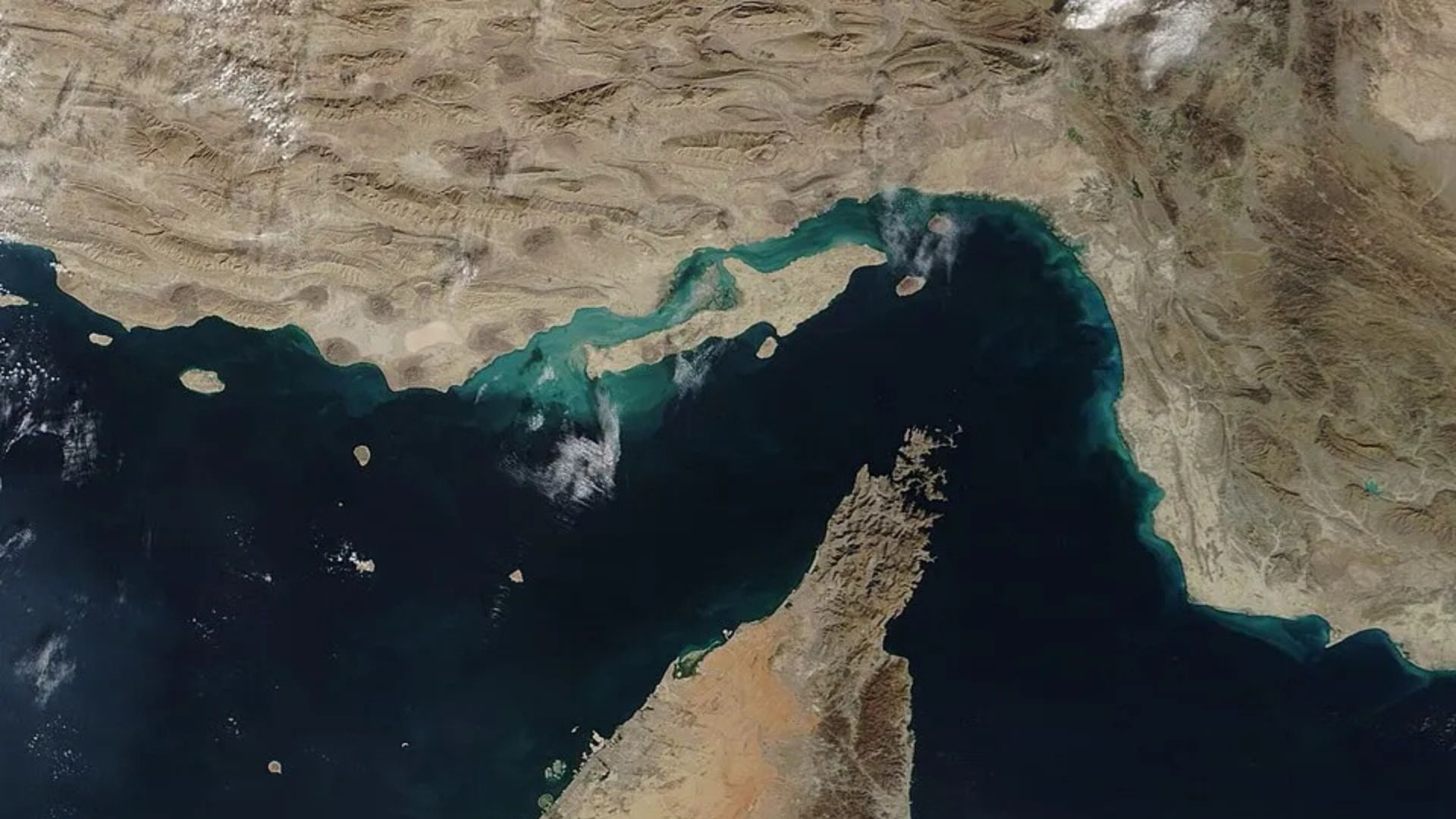
In late February, Iran closed the Strait of Hormuz, the narrow waterway responsible for roughly one-fifth of the world’s daily oil and energy supply. The IEA Oil Market Report called it the largest oil supply disruption in the history of the global market.
Since then, coverage has centered almost entirely on energy prices and geopolitical risk. That framing makes sense for traders and policymakers. But if your job is keeping a production line running, the more immediate story is what is happening further down the chain, to the materials, inputs, and logistics that feed your operation week to week.
This post breaks down what the Hormuz closure means for manufacturers, how it is interacting with the current tariff environment, and what practical steps sourcing and operations teams can take right now.
Why the Strait of Hormuz Matters Beyond the Price of Gas
The strait is only about 21 miles wide at its narrowest point, but it carries an outsized share of global energy trade. Roughly 20 to 21 percent of the world’s oil passes through it daily, along with significant volumes of liquefied natural gas. When that corridor is disrupted, the effects ripple outward fast.
The most direct impact for manufacturers is not at the gas station. It is in petrochemical production. Polypropylene, used in everything from packaging to automotive components, has jumped 24 percent since the closure. Aluminum is up 10 percent.
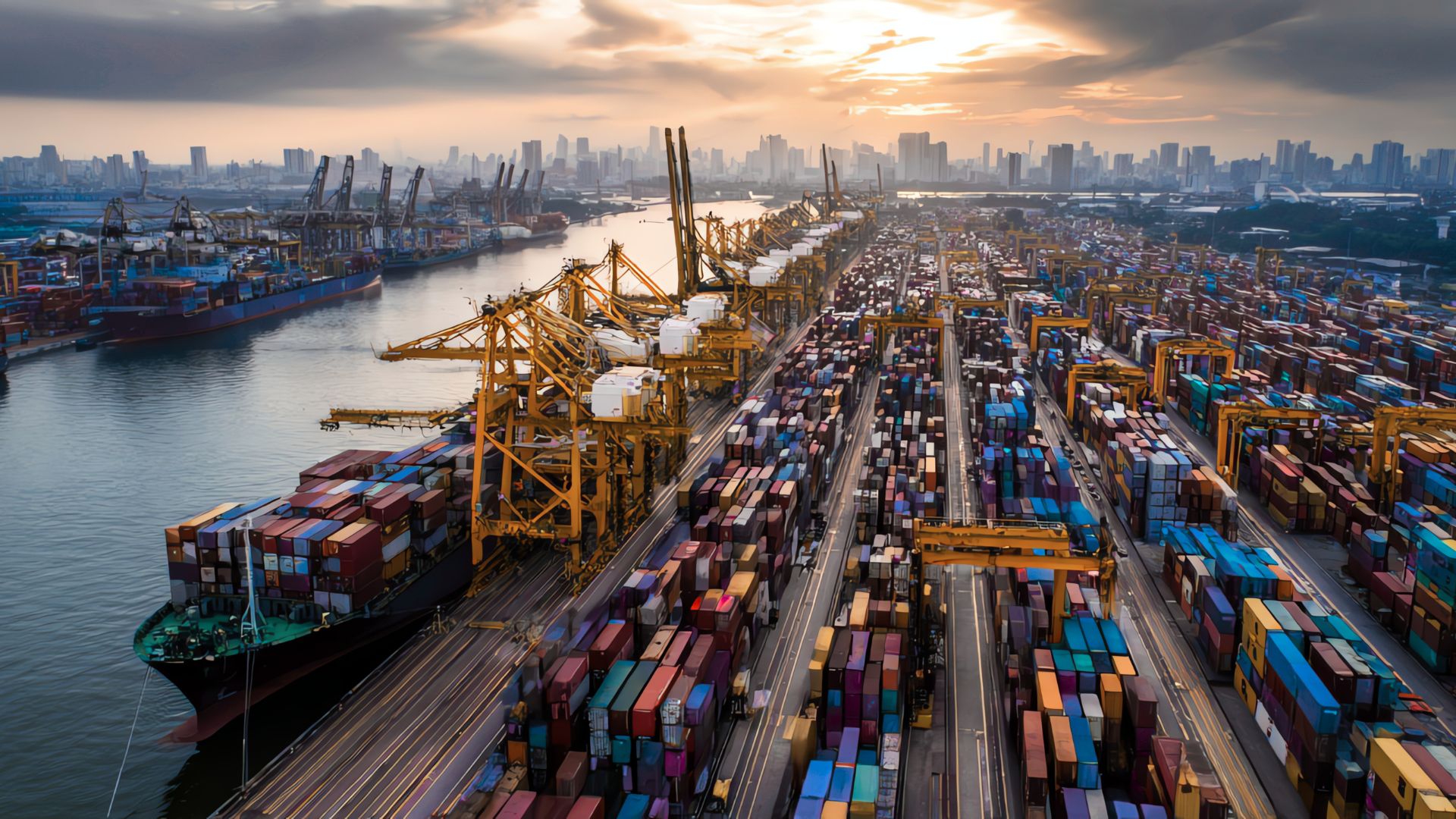
Beyond materials pricing, vessel rerouting is compounding the pressure. Ships avoiding the strait are adding days or weeks to transit times, which means port congestion at alternative routes is building. For manufacturers who depend on predictable lead times, that variability is its own problem, regardless of whether the material itself is sourced from the region.
Which Manufacturing Materials Are Most Affected by the Hormuz Closure?
Products with high petrochemical content or significant Gulf-region sourcing are currently carrying the most exposure.
That includes:
- Polypropylene and polyethylene resins used in industrial packaging, molded components, and film applications
- Aluminum and aluminum-intensive parts, which are seeing cost increases driven by energy-intensive smelting operations
- Adhesives, coatings, and lubricants with petroleum-derived inputs
- Logistics costs across Asia-to-US lanes affected by rerouting
The Tariff Picture Is Shifting at the Same Time
The Hormuz disruption is landing on top of an already-unstable trade policy environment. In February, a Supreme Court ruling struck down IEEPA-based tariffs that had been in place across a broad range of imported goods. The ruling reset the baseline, but it did not create stability.
A temporary 10 percent global tariff is currently in effect, with rates potentially rising to 15 percent before the provision expires in late July. For manufacturers with international sourcing, this means the cost structure you built your quotes around earlier this year may no longer be accurate.
If your company paid IEEPA duties before the ruling, refunds may be coming. The Court of International Trade has ordered Customs and Border Protection to begin processing them, though the timeline is still being worked out. Work with your customs broker now to ensure your entries are correctly classified and positioned for any refund processing.
What Should Manufacturers Do During the Hormuz Disruption?
Disruptions of this scale tend to separate teams that have visibility into their supply chain from those that do not. A few practical actions worth prioritizing:
Reforecast material costs. Request updated pricing from key suppliers, particularly for petrochemical-derived inputs and aluminum. Do not assume your current quotes remain valid.
Review open purchase orders and lead time commitments. If you have orders in transit through or around affected shipping lanes, confirm current ETAs with your freight forwarders.
Audit your tariff exposure. With tariff rates in flux, make sure your customs broker has current HTS classifications and is tracking the refund processing timeline.
Communicate proactively with customers. If you have active quotes that may be affected by material cost changes, get ahead of them. Customers generally respond better to early transparency than to late surprises.
The Bottom Line
The Strait of Hormuz closure, combined with an unsettled tariff environment, means the sourcing decisions you make in the next 60 to 90 days will have real consequences for your cost structure and your ability to deliver on commitments.
Visibility and speed matter more than ever. If you are working through sourcing decisions in this environment and want a perspective from a manufacturing partner with experience navigating disruption, we are available to talk. Contact ITI Manufacturing today.
Frequently Asked Questions
How is the Strait of Hormuz closure affecting polypropylene and aluminum prices?
The Strait of Hormuz closure is driving significant cost increases for petrochemicals and metals. Polypropylene, used in packaging, automotive components, and industrial molded parts, has jumped 24% since the closure. Aluminum is up 10%, driven in part by the energy-intensive nature of smelting operations and the Gulf region’s role as a major aluminum exporter.
The pressure extends beyond direct price increases. Because manufacturers often must adhere to strict material specifications, finding qualified alternative suppliers can take 12 to 18 months, meaning the cost and availability problems may outlast the disruption itself.
Beyond polypropylene and aluminum, roughly one-third of global seaborne methanol trade passes through the Strait, disrupting the supply of a key chemical feedstock for resins, coatings, and plastics. (World Economic Forum)
What does the IEEPA tariff ruling mean for businesses?
In February, the Supreme Court struck down tariffs imposed under the International Emergency Economic Powers Act (IEEPA), resetting the baseline for import duties across a wide range of goods. The ruling did not eliminate tariffs entirely. A temporary 10 percent global tariff is currently in effect, with rates potentially rising to 15 percent before the provision expires in late July 2026.
Any cost estimates built around IEEPA-era duty rates may no longer be accurate and should be reviewed. If your company paid IEEPA duties before the ruling, refunds may be available. The Court of International Trade has ordered Customs and Border Protection to begin processing those refunds, though the timeline is still being worked out.
How long will the Hormuz disruption affect supply chains?
There is no clear resolution timeline, and analysts are modeling scenarios ranging from months to well over a year.
The more important point is that a resolution of the conflict will not immediately restore normal conditions. Even if the conflict ends soon, supply chains could take months or years to recover, particularly if infrastructure has been damaged. Time will be needed to repair that infrastructure, restart equipment that was taken offline, and clear bottlenecks at ports.